20 Incredible Hot Springs in Nevada

The hot springs in Nevada are some of the state’s coolest attractions with good reason: what an incredible natural experience! Here are our favorite hot springs in Nevada that you can’t miss.

These Nevada mountains and deserts are dotted with dozens of hot springs. They are even surrounded by mountains that are snow-covered, making them insanely beautiful! Because of their out-of-the-way locations, many of the area’s hot springs are quiet and private.

In Nevada’s hot springs, you will be able to relax in a hot tub on a desert plateau while you gaze at the stars and marvel at the breathtaking landscape of mountains and valleys. You can’t get better than that!

The Best Hot Springs in Nevada

Here are the 20 best hot springs in Nevada to check out right now, ranked according to our favorites!

19. Diana’s Punchbowl

The best hot springs in Nevada for your Nevada travel vacation

Due to the brutal heat, you won’t be able to actually hop into Diana’s Punch Bowl. Still, the 6-mile detour to Pott’s Ranch, Nevada’s most famous ghost town, is well worth the time it will take to see this natural beauty, and the springs here are truly gorgeous.

The valley of the hot springs has a diameter of 50 feet and a circumference of 500 feet. Be careful while approaching the 50-foot-wide pit’s edge, particularly if you’re taking children along. It’s steep and super slippery.

On the way down, you’ll come across a limestone wall with a hot pool of water at the bottom. If you’re lucky, you’ll find a crater filled with 200°F dark blue water in the heart of a massive travertine hill. It’s insanely gorgeous and is definitely a must-see in Nevada!

18. Soldier Meadows Hot Springs

The best hot springs in Nevada for your Nevada travel vacation

Soldier Meadows Hot Springs is a hidden hot spring in Nevada that’s perfect for when you need to escape. You and your companions can choose from six different hot springs.

These springs are pretty remarkable in terms of availability. A $10 entrance fee is required to use the hot springs on the grounds of a cattle ranch. A $10 fee will be charged if you wish to bring your pet along. The ticket price is relatively expensive since the experience is great!

Prepare for your journey to the desert by packing plenty of water and food. Guests are welcome to bring a small picnic lunch into the ranch. The lodge can provide you with a $2 bottle of cold or hot drinks if you forgot them.

17. Spencer Hot Springs

The best hot springs in Nevada for your Nevada travel vacation

In the heart of the Nevada desert, Spencer Hot Springs provides a raw and primitive hot springs experience. Free boiling geothermal springs are found in an undeveloped public area of a wide, open desert valley. Hot springs off-roading is also part of the fun experience, so you’ll need a car with decent traction to get to these springs.

Water temperatures typically range between 100 °F and 119 °F. Located near the surface of the ground, these mineral pools are formed by hot mineral springs. While you relax in the spa’s heated tub, take in the panoramic view.

A well-maintained campsite is available at Hickson Petroglyphs Recreation Area, located 20 minutes north. Fire pits and restrooms are available for free to campers at the facility. Several additional campgrounds are located near the hot springs where you can relax after a day of swimming in the therapeutically warm water.

16. Iva Bell Hot Springs

The best hot springs in Nevada for your Nevada travel vacation

If you haven’t already checked these Nevada hot springs out, a visit to Iva Bell Hot Springs will satisfy your need for superhot water. These natural ponds are scattered over a slope, and each has different a temperature range, so you can go for whatever temperature you’re most comfortable with.

You can locate the pools in the Cascade Valley, deep in the Sierra Nevada. Expect a multi-day hiking journey. It is worth the effort if you’re looking for a true wildlife experience.

In the vicinity of Mammoth Lakes, the hot springs are reachable through a moderate 25.6-mile trail called Fish Creek Trail.

15. Kyle Hot Spring

The best hot springs in Nevada for your Nevada travel vacation
Pinterest.com

Kyle Hot Springs is a hidden treasure in Northern Nevada’s arid landscape. It used to be a prominent hot springs resort over a hundred years ago.

In a remote part of the Buena Vista Canyon, not far from the now-defunct village of Unionville, the hot springs provide a relaxing and rejuvenating soak. You can also see the relics of the hot springs resort here to connect with the history of this location.

You can find an extensive network of hot springs across the salty slope where a primary spring is roughly 150°F. Some people in the vicinity constructed a concrete pool and a fence to keep cattle from the potentially hazardous region.

You can enjoy a few baths down the hill where the hot water flows from the primary source via a plastic pipe. Before getting in the tub, please ensure the water temperature is right; it can be scorching since it comes right from the springs.

Afterward, drain and cleanse your tub, then refill half of it so that the following guests may have the chance to enjoy mineral water as soon as they come and cut down on the wait time.

There is adequate room in the pool for four to six people. Depending on the weather, the temperature may range from 85 to 100 ℉. If necessary, more hot water from the tubes can be added to make it more comfortable. This is one of the best hot springs in Nevada if you’re looking for adjustable temperatures, though it’s not the most visually stunning.

You can camp at Kyle Hot Springs. Winnemucca, 56 miles to the northeast, has other lodging options. The Rye Patch Reservoir, 50 miles to the west, has developed campsites as well.

14. Twelve Mile Hot Springs

The best hot springs in Nevada for your Nevada travel vacation
tripadvisor.fr

Another excellent hot spring on our list is the Bishop Creek Hot Springs. Located precisely 12 miles north of Wells, Nevada, it is also called Twelve-Mile. The 40-foot-long, 3-foot-deep hot springs pool has a gravel floor constructed by humans thousands of years ago.

If you like trekking, this is an excellent location for you. The trek itself should take an hour or so. However, you can quickly go to the hot springs by bicycle from the parking lot. It’s paved with concrete, making it easy to access even for us less-than-athletic folks.

If you’re looking to get away from real life for a while, this is the spot for you. It’s seriously gorgeous! Astonishingly pure and odorless water awaits visitors at Bishop Creek Hot Springs. This is definitely one of the most beautiful hot springs in Nevada and is a must-visit spot.

13. Fish Lake Valley Hot Springs

The best hot springs in Nevada for your Nevada travel vacation

Located approximately 20 minutes from downtown Dyer or a little over an hour from Tonopah, Fish Lake Valley Hot Springs is the perfect place to relax and recharge. This metro area hot spring is accessible to the general public and has a strong flow into the tub.

The Fish Lake Valley is home to a big rectangular concrete hot tub and two naturally occurring warm ponds that visitors can enjoy. Their convenient location and gorgeous surroundings have boosted the popularity of these pools, so expect crowds during the weekend.

The largest pool can accommodate 7 to 8 people and is about 3 feet deep. You can expect a high of approximately 105 ℉. Another option is to visit one of the adjacent “colder” hot springs, which average approximately 92°F lower temperature.

Among Nevada’s few hot springs, Fish Lake Valley is a favorite destination for RV and ATV campers since it provides amenities like BBQs and campfire rings. Get a view of the mountains while relaxing in the natural hot tubs.

Try to visit Fish Lake Valley Hot Springs around the beginning of a new moon. Fish Lake Valley is an excellent location also for stargazing, but you can discover the best conditions when the night sky is black, cold to the bone, and bright at all times. The Lyrids and Perseid meteor showers, which occur in the spring and late summer, are two of the best times of year to see the Milky Way. This is definitely one of the best hot springs in Nevada for star gazing and is an amazing place to visit at night!

12. Ruby Valley Hot Springs

The best hot springs in Nevada for your Nevada travel vacation
hotspringslocator.com

Limestone ledges and a metal ladder make it easy to access the hot pools at the Ruby Wildlife Refuge. The refuge is also one of the most remote in the United States.

Marshy areas like this one are home to many creatures, as well as migratory birds, deer, and other wildlife. During the spring and early fall, the main soaking pool is large, deep, and warm enough to swim in.

The main pool, almost 9 meters deep, is surrounded by many smaller ones. In general, most swimming pools are approximately 100 °F in temperature.

If you want to enjoy the great outdoors while you’re here, Ruby Valley Hot Springs offers free camping.

11. Carson Hot Springs Resort

The best hot springs in Nevada for your Nevada travel vacation

Is there no hot tub in your Tahoe lodging? The Carson Hot Springs Resort is your gateway to paradise. Near Carson City on the east shore of Lake Tahoe, this newly renovated hot springs resort features a massive outdoor pool, private soaking rooms, deck area, and fire pits, as well as a potent massage fountain referred to as “the hammer.”

Natural spring water runs at 121°F from an underground source at Carson Hot Springs.

The hot springs, which originate 35,000 feet under the earth’s surface, are teeming with beneficial minerals including chloride, calcium, fluoride, sodium, silica, sulfate, potassium, magnesium, and lithium. There are several health advantages associated with these mineral springs, including enhanced hair, nail, and skin protein, reduced toxins in the body, and increased relaxation in general.

At the front desk, you can purchase towels and locks. The resort will urge you to carry their towels to use the saunas included in the entrance price. In addition, you must supply your lock to secure the lockers. Also, note that alcohol and coolers are not allowed.

10. Paradise Valley Hot Springs

The best hot springs in Nevada for your Nevada travel vacation

Paradise Valley Hot Springs, a few miles off of Route 95, is located just north of the historic town of Paradise Valley in the state’s north-central region.

The hot springs are privately owned, but the owner is kind enough to allow guests to enjoy the area if they treat the property with care. Locals have even erected a wooden entrance platform where you can leave your belongings while you bathe in the clean water.

Although it is an underdeveloped hot spring, many visitors and residents flock to this region because it is lovely and peaceful on the Little Humboldt River’s bank.

9. Dyke Hot Springs

The best hot springs in Nevada for your Nevada travel vacation
flickr.com

Nevada’s Dyke Hot Springs offer a magnificent view of the surrounding environment and the low sky. Even if this location isn’t very popular with tourists, a visit here is always worthwhile, plus it’s very private.

At the northern edge of the Black Rock Desert you can find the Dyke Hot Springs, a pair of bathtubs (or a nice two-person tub) along the edge of an artificial frog pond.

Hot mineral water fills the pools from a stream that flows down the slope from the hill. There are pipes leading down into the tubs from the 150-degree supply pond at the top of the slope. Take a warm bath once the water has reached a comfortable temperature. Keep the tubs clean by emptying them as soon as you’re done.

During dry weather conditions, any vehicle can reach these hot springs in Nevada. However, no nighttime camping is permitted, so plan your visit during the daylight hours.

8. Black Rock Hot Springs

The best hot springs in Nevada for your Nevada travel vacation

Located in the middle of a desert, these hot springs in Nevada are a geothermal oasis that is open to the public for free. Black Rock Hot Springs is one of the most popular destinations in the Black Rock Desert because of its gorgeous scenery.

Since Black Rock Hot Springs is so far out in the desert, crossing the Playa is the only way to get there. When it rains, the region is impassable; however, it is often dry and very hot. If the weather is dry and the road is accessible, look for the tipped black rock formation in the distance.

You’ll next arrive at a big blue hot springs pool flanked by reeds and other wetland habitats. To avoid skin burns, be careful to check the water’s temperature before getting in.

7. Bog Hot Springs

The best hot springs in Nevada for your Nevada travel vacation

Bog Hot Springs offer tourists a breathtaking view of the natural scenery surrounding the pools from the Pueblo and Steen mountains. Located in the center of a heated river, these pools are the first of their kind in Nevada.

When you visit Sheldon Wildlife Refuge and don’t know what to do, we highly recommend stopping at the Bog Hot Springs. It is nestled in the foothills of the Pueblos and the Steens.

In contrast to other Nevada hot springs, Bog Hot Springs empties into an irrigation reservoir through a canal. The canal also was created naturally and needs further development. On the other hand, the hot springs are little more than a succession of dammed-up ponds. Before bathing in the lower pools, check their temperature first.

Damming an area of warm water and creating a series of hot springs can create mineral pools with varying temperatures.

There are smaller pools with temperatures ranging from 90°F to 105°F that offer natural luxury. Larger pools have temperatures ranging from 105°F to 115°F.

Unlike any other hot springs in Nevada, Bog Hot Springs is difficult to reach, if not impossible, so plan ahead!

6. Trego Hot Springs

The best hot springs in Nevada for your Nevada travel vacation
Pinterest.com

Trego Hot Springs, an isolated hot spring in Nevada, is one of the state’s many undiscovered treasures. Even though it’s a little out of the way, this hot spring is one of the simplest to find and is in a really cool spot.

Sulphur, Nevada, can easily be reached via Route 49. If you’re about 30 miles into the rocky washboard, you’ll come upon Trego Crossing. The Trego Hot Spring is only a short way down the road.

Tranquil Trego Hot Springs is an artificial spring situated in the Black Rock Desert, near railroad lines, with a soft mud bottom. As far as Northern Nevada hot springs go, Trego Hot Springs ranks highest in temperature.

To camp, you must be at least 300 feet away from the hot spring; however, there are several adjacent fire pits where you can do so. To preserve the area’s natural beauty and avoid being overrun with rubbish, adhere to the “clean as you go” philosophy and remove any litter you come across.

5. Rogers and Blue Point Hot Springs

The best hot springs in Nevada for your Nevada travel vacation
ultimatehotspringsguide.com

Roger’s Hot Springs, in the Lake Mead between Echo Bay and Overton, are more like mild springs than hot ones in Nevada. They’re located not far from Las Vegas.

The rate at which this spring pumps water will astound you. Water flow is around 1,000 gallons per minute, with a typical temperature of about 85 °F, depending on the season.

According to many visitors who have already experienced its magnificence, summer is the most incredible season to visit this spring, especially since the temperature is on the cooler side (at least compared to other Nevada hot springs). It’s a great place for kids, too, since they’ll be able to watch the fish in the pond. Dogs can accompany their owners, but they must be kept under control/on leash.

4. Alkali Hot Springs

The best hot springs in Nevada for your Nevada travel vacation
Pinterest.com

You can locate the Alkali Hot Springs in a faraway corner of Western Nevada. It has two rustic rock-walled pools where visitors can relax and soak in the 105℉ water temperature.

You can control the temperature of the two artificial rustic pools by using pipes and hoses. In addition, these hot springs don’t emit a sulfurous odor, although they do contain lithium (in a safe amount).

Guests may share the smaller pools, accommodating 2 to 3 people each. You can store towels and other valuables on a tiny concrete pad adjacent to the deeper pool equipped with metal poles. The bigger pool is situated right below the hot springs and is around four feet deep.

It’s also possible to camp in the vicinity and see wild horses sipping from the hot spring water. If you like nature and want to spend a weekend near hot springs, this is definitely the place!

If you’re planning to visit Alkali Hot Springs, you may want to stock up on gas before heading out on the road and carry your food and water along for the trip. It’s definitely out of the way and is quite rural.

3. Virgin Valley Warm Springs

The best hot springs in Nevada for your Nevada travel vacation
travelnevada.com

The Virgin Valley Warm Springs is tucked away in Northern Nevada’s high desert and is the perfect place to get away from urban life. The Sheldon National Wildlife Refuge (home to the Mustang, the American pronghorn, and even migrating birds) is situated on the northeastern side of the refuge near the Oregon-Nevada border.

With its sandy-gravel bottom, the pond at Virgin Valley Warm Springs is 30 by 35 feet wide and 5 feet deep. Depending on the weather conditions and season, it can range from 80-90℉ inside the pod.

A concrete platform and a step ladder are available to make dipping in the pond easier for guests and visitors, plus an on-site bathhouse serves as a changing room. There are picnic tables available nearby as well.

2. Steamboat Hot Springs

The best hot springs in Nevada for your Nevada travel vacation

Nevada’s oldest medicinal hot spring, Steamboat Hot Springs, has been open for more than a century. Geothermal mineral water containing calcium carbonate, sodium sulfate, magnesium, and carbon dioxide is found in this natural spring. It’s packed with nutrients that are wonderful for health.

Besides its medicinal mineral water, Steamboat Hot Springs has much more to offer. Visitors can relax and unwind here. Spa services at Steamboat Hot Springs include a private hot tub and steam room, as well as massages and aromatherapy. It also offers several programs and seminars, including Breathe Practice, Tai Chi, Yoga, and more.

If you’re looking for a spa-like getaway then I definitely recommend Steamboat Hot Springs. These are certainly some of the more luxurious hot springs in Nevada.

The outdoor tub accepts walk-ins, but we recommend booking appointments for the rest of the spa’s offerings, which you can arrange online.

1. Gold Strike Hot Springs

The best hot springs in Nevada for your Nevada travel vacation

The top on our list is the Gold Strike Hot Springs. We recommend the Gold Strike Hot Springs excursion for everyone who enjoys trekking and relaxing in Nevada’s hot springs.

The red rock vertical canyon walls, rich native vegetation, and Desert Bighorn Sheep on the way to the hot spring are guaranteed to leave you completely wowed. 

Because the trail is straightforward, you don’t need to be an experienced hiker to complete it. The track is relatively flat for the initial 40 to 50 minutes as you meander down a wash and into the canyons.

While the rock is slippery, it’s not difficult to get down. And the views are seriously gorgeous – don’t forget to snap photos!

Gold Strike Canyon is narrow and subject to sudden floods, so you’ll want to check the water levels before planning your trip. Make sure to carry plenty of water and food with you for the trek. The return trek is more complicated, and you’ll likely be damp or have wet feet, so be careful on the smooth pebbles.

You’ll find pools and steaming waterfalls as you reach the delightful steamy waters. There is a natural spa in the canyon walls with water gushing out of cracks in the rock. It’s literally incredible!

Willow Beach Campground is a great location to rest your weary bones after a long day in the great outdoors. Kayaking and other water sports are available at the marina on the Arizona side of the Colorado River, making this one of the best Nevada hot springs for a full vacation or weekend.

FAQs About Visiting Nevada Hot Springs:

What Should I Wear?

In the most basic sense, you’ll want to bring your swimsuit, coverup, a towel, and sunscreen. It wouldn’t hurt to bring a sweatshirt or something to keep you warm, too. But if you’re looking for advice on how people typically dress at Nevada hot springs then here are some classic items:

Bohemian-inspired swimwear: Embrace the boho vibe with a stylish one-piece swimsuit or a bikini featuring intricate patterns, crochet details, or fringes. This style exudes a relaxed and free-spirited aesthetic that complements the natural surroundings.

Flowy cover-ups: Opt for a lightweight, flowy cover-up such as a kimono, a maxi dress, or a loose-fitting tunic. These pieces not only provide coverage when you’re out of the water but also add a touch of elegance and comfort to your hot spring experience.

Earthy tones and natural fabrics: Choose clothing in earthy tones like sandy beige, soft greens, or muted blues. Natural fabrics such as linen, cotton, or bamboo blends can enhance the connection to nature and add a breezy and effortless feel to your outfit.

Wide-brimmed hats and floppy sun hats: Protect yourself from the sun’s rays while looking fashionable with a wide-brimmed hat or a floppy sun hat. Opt for styles made from breathable materials like straw or woven fabrics.

Retro-inspired swimwear: Channel a vintage-inspired look with high-waisted bikini bottoms or retro-style one-piece swimsuits. These timeless designs can give your hot spring attire a unique and stylish flair.

Sarongs and pareos: Wrap yourself in a vibrant sarong or pareo for a versatile and trendy beach cover-up. These lightweight, colorful pieces can be worn in various ways, allowing you to experiment with different looks.

What Time Of Year Should I Visit?

Weather: Nevada can experience extreme temperatures, so it’s crucial to consider the weather conditions. The hot desert summers in Nevada can be scorching, with temperatures often exceeding 100°F (38°C) or more. If you prefer milder temperatures, it may be more comfortable to visit during the spring (March to May) or fall (September to November) when the weather tends to be more moderate.

Crowds: The popularity of hot springs can vary throughout the year. If you prefer a quieter and more secluded experience, visiting during non-peak seasons or weekdays can be a good option. Summer months and weekends tend to attract more visitors, especially to popular hot springs.

Water flow: Some hot springs may be affected by seasonal changes in water flow. In some cases, hot springs may dry up or have reduced water flow during periods of low precipitation or drought. Checking with local authorities or online resources can help you determine if the hot spring you plan to visit is affected by seasonal variations.

Accessibility: Depending on the location of the hot springs, road conditions and accessibility can be a consideration. Winter months, particularly in higher elevation areas, may experience snowfall and icy conditions, making some hot springs harder to reach or navigate. It’s important to check road conditions and plan accordingly if you’re visiting during the colder months.

Nighttime stargazing: Nevada is known for its clear skies and excellent stargazing opportunities. Visiting hot springs during a new moon phase or when there’s limited light pollution can provide a breathtaking experience of soaking in warm water while enjoying a spectacular view of the night sky.

15 Best Aquariums In Florida You Won’t Want To Miss

Are you looking to visit some of the top aquariums in Florida? Today we’re sharing our favorite Florida aquariums where you’ll get up close and personal with marine life!

Florida is home to a diverse range of freshwater and saltwater environments. The state’s humidity and warmth make it a prime place for both land and aquatic creatures, so you can imagine that there are some amazing aquariums in Florida!

In fact, the aquariums in Florida are some of the best in the world.

There are numerous options for you to explore and enjoy in Florida, regardless of where you are, whether you’re in Northern, Central, or Southern Florida.

With over 24 aquariums spread around the state, Florida is a great place to go for a day trip with the kids or just something new to do while you’re here. If you’re searching for a family adventure or an educational excursion, you’re sure to find it at any of the area aquariums listed below.

We’ve compiled a list of the best aquariums in Florida for you to see on your trip.  These are both our favorites and some of the most well-known Florida aquariums that you should consider adding to your itinerary!

Florida’s Best Aquariums

Here are the 15 best aquariums in Florida right now, ranked in order! You’ll find our absolute favorite aquarium in Florida down at the #1 spot.

15. St. Augustine Aquarium

The best aquariums in Florida: St. Augustine Aquarium
google.com

The St. Augustine Aquarium is one of the greatest in North Florida. It is an outdoor, open-air aquarium where you can engage directly with aquatic creatures while learning about their lives and care.

As of right now, visitors can take advantage of the aquarium’s guided tours, led by marine scientists, to get a more in-depth look at the exhibits. There is the Touch and Identify display for those who are courageous enough, where you can touch and identify sea creatures such as starfish. You can even feed the rays and sharks!

If you want to snorkel along natural Florida coral with hundreds of Florida Reef Fish and Rays, you can also do this at this Florida aquarium. You’ll need to bring your wetsuits, shoes, and masks, and schedule your excursion in advance.

Because of the aquarium’s ongoing expansion, there will be more to see and do soon! At the moment, the aquarium is open every day and is a must-see for anybody who wants to get up close and interact with aquatic life.

Admission Fee

It costs roughly $15 to enter the St. Augustine Aquarium for adults and $10 for a child’s ticket. If you want to snorkel, that will cost you around $50 per person.

We recommend getting cheap tickets ahead of time here.

14. Gulf World Marine Park

The best aquariums in Florida: Gulf World Marine Park
gulfworldmarinepark.com

The Florida Panhandle is most known for its beaches and bars, but if you know where to search, you’ll find some hidden treasures. These include Gulf World Marine Park, Panama City Beach’s best aquarium.

Gulf World’s native marine animals are an excellent lure for visitors. You can observe more than a dozen species of marine mammals in this aquarium park, including rough-toothed and bottlenose dolphins. Guests can even purchase add-on experiences that allow them to get even closer to these magnificent creatures, as well as other species like stingrays and penguins.

The park only permits one paid observer per 18-year-old swimmer due to space constraints. There is a $5 observer charge on top of the entrance fee.

The Gulf World Marine Institute, which focuses on animal rescue and rehabilitation, is also located in the park. You can take part in their Adopt a Sea Turtle initiative if you’d want to assist them. You’ll get a picture of your sea turtle, a certificate of adoption, and information on its species and traits.

Admission Fee

You can save $3 if you buy your Gulf World Marine Park tickets online, and there are frequently additional discounts available. Admission is half the cost for active-duty and retired military, and local Floridians can enjoy discounts on selected days.

Otherwise, a ticket will cost you $19 to $30, but children under the age of four are free.

Your ticket price includes the entrance to all exhibits and daily animal displays. Though you can interact with stingrays, you must purchase specific passes for other animal encounters.

Click here to check out current ticket prices.

13. Sea Life Aquarium

The best aquariums in Florida: Sea Life Aquarium
google.com

With aquariums across the globe, Sea Life Aquarium has a huge following for a reason. Both visiting tourists and local residents enjoy many different aquariums. If you’re visiting Orlando aquariums in Florida, you’ll definitely want to check out Sea Life.

On display at Sea Life Orlando is Florida’s unique 360° Ocean Tunnel, where guests can walk through and be entirely immersed in saltwater with resident fish, rays, or sharks. You can see (and sometimes touch) many species in the Coastal Rockpool as well.

While jellies are uncommon in smaller aquariums due to their particular needs, Sea Life Orlando has an entire wall dedicated to them. There are moon jelly and colored lights that you can adjust to make the jellies shine in the colors of your choice behind them.

For the most part, the Sea Life Orlando site does not feature any species that need an outside home, unlike other aquariums. If you’re looking for a place to get away from the Florida sun or a good spot for a rainy day, this Florida aquarium is your best bet.

Admission Fee

Sea LIFE Orlando Aquarium admission ranges from $28 to $34 for adults and children ages three to twelve. You can purchase tickets for Madame Tussauds and LEGOLAND together for a discount if you intend on visiting other famous Orlando attractions.

Grab tickets ahead of time here.

12. Miami Seaquarium

The best aquariums in Florida: Miami Seaquarium
google.com

Like other places alongside international trade routes, South Florida is a melting pot of art, food, music, and history. However, it’s also a great spot to check out one of Florida’s most famous aquariums.

The Miami Seaquarium features more than simply bottlenose dolphins. It also houses Pacific white-sided dolphins and orcas, allowing you to see all three species in one day. You can also meet African penguins, swim with harbor seals, and take a VIP tour to see numerous smaller native species.

Seaquarium visitors also visit the Tropical Wings section, where macaws and other birds of prey reside with animal care professionals who are on hand to answer questions about the most intelligent birds on the planet, such as African Grays.

Admission Fee

On weekdays, you can save $10 by purchasing tickets online instead of at the gate and approximately $5 on weekends. Regular entry on a weekday costs from $29 to around $40, and admission is free for children under two.

You can purchase tickets at the Miami Seaquarium entrance in combination with admission to the Miami Zoo and Lion Country Safari if you want to make a full day of it.

Click here to get tickets.

11. Florida Keys Aquarium Encounters

The best aquariums in Florida: Florida Keys Aquarium Encounters
google.com

The Florida Keys Aquarium Encounter, located in Marathon, is a South Florida aquarium well-known for its family-friendly activities and offerings.

The aquarium offers a wide range of activities, from simple observation to more involved exhibits. The Big Shark Bay Encounter is one of their most well-known encounters. You can learn about the training process of adult nurse sharks and participate in feeding and even touching the gorgeous creatures at the facility.

Equipment such as wet suits and snorkeling gear are supplied for your convenience. There is also a Coral Reef Snorkel Encounter where you can safely snorkel and see the marine life that flourishes in a natural Mangrove ecosystem firsthand. Tourists can also have the option to nourish stingrays and other coral animals while snorkeling.

Since it is open every day, you have lots of opportunities to see Florida’s sea life at the Florida Keys Aquarium Encounter. If you’re searching for something a little more lighthearted that’s an outdoor aquarium experience, the Florida Keys have a lot to offer.

Admission Fee

For youngsters ages 4 to 12, admission to the Florida Keys Aquarium Encounters is around  $17 depending on the season. Tickets for adults cost approximately $24. The admission price includes the touch tank and Q&A sessions with marine scientists.

There are additional fees for interactions with animals, coral reefs, and snorkeling, and you must book these in advance. Even though these activities occur in the park, they do not come with a park entrance, so you’ll need to pay separately to attend.

I typically find the lowest prices here.

Looking for more of an outdoor experience? Check out the best state parks in the Florida Keys to see wildlife in its natural habitat.

10. Ellie Schiller Homosassa Springs Wildlife State Park

The best aquariums in Florida: Ellie Schiller Homosassa Springs Wildlife State Park
google.com

Though not technically an aquarium, Ellie Schiller Homosassa Springs Wildlife State Park is an excellent spot to visit if you’re in Central Florida and want to see some local wildlife.

It is essential to protect Florida’s wildlife on land and at sea, and the Homosassa Springs Wildlife State Park does just that. The park, dubbed “the most beautiful river and springs globally,” is home to an incredible variety of fish, including snook, snapper, and more.

Attractions in the park include the Fish Bowl Underwater Observatory, which sits above the mainspring and allows visitors to witness a variety of fish and manatees in their natural habitats.

Orlando and Tampa have a lot to offer tourists after enjoying Florida’s natural wonders, which are only a short drive away from the park.

Admission Fee

Ticket prices range from $13 for adults to $5 for children aged 6-12, and children under 5 are free.

Check out current ticket prices + tour and experience options here.

9. Key West Aquarium

The best aquariums in Florida: Key West Aquarium
google.com

There are a lot of tourists flocking to the Florida Keys, where they can swim, see historic landmarks like the Hemingway House, and relax on the pristine beaches. Meanwhile, the Key West Aquarium is the best place to find aquariums in the Florida Keys. Nurse sharks, moon jellyfish, and conchs are just some of the aquatic critters on display.

The most frequent of the Florida Keys sharks, the Nurse Shark, is featured in an exhibit at this aquarium. Aside from educating them on the truth and fiction surrounding sharks and their lore, this experience also provides you with information on how you can contribute to conserving these magnificent creatures.

After the presentation, the sharks are fed by audience members, so those who want to get up close and interact with the animals should keep their eyes peeled. We learned so much just from a short exhibit since you get to stand right next to the sharks during feeding!

The Jellyfish Exhibit and the Sea Turtles Conservation Tour are two more famous attractions at this aquarium. If you want to learn more about sea turtle conservation, the Turtle Tour provides an opportunity to see some of these animals in action. And the Jellyfish Exhibit allows you to interact with the moon jellyfish, the most abundant jellyfish in the Florida Keys.

This Florida aquarium is on the smaller side but is definitely an up-close and personal experience that we love while visiting Key West!

Admission Fee

You can save a penny by purchasing your Key West Aquarium tickets online. It costs from $10 to $16, but nothing for a kid under 4. Students, seniors, and members of the military pay around $14. Purchasing tickets in person might add up to a $2 surcharge.

Click here to get the cheapest tickets available.

8. Gulfarium Marine Adventure Park

The best aquariums in Florida: Key West Aquarium
google.com

In the Florida Panhandle, Okaloosa Island is surrounded by world-class shopping, luxury resorts and spas, and an abundance of fresh seafood. The local zoning board’s placement of pubs and clubs bolstered the island’s nightlife, making the island a popular destination for tourists and locals. The Gulfarium continues to amaze its many admirers as a tourist attraction and a piece of local history.

In the course of your park tour, keep a lookout for Charlie, the yellow-crested cockatoo, who greets guests and visits other park inhabitants every day. Dolphin habitats have been set up in two separate locations for the pods of bottlenose dolphins who call the island home. A blacktip reef shark and lionfish will greet you at the Living Seas, where you can see the world’s first commercial floor-to-ceiling aquarium exhibit and interact with other marine life.

With the Gulf of Mexico visible from virtually any place in the park, the Gulfarium is a two-minute walk from Fort Walton Public Beach. It makes it a perfect backup option if the beach gets rained out. Wet weather is still possible due to the seaside breezes, but you’ll be sheltered enough to view the animals swimming and playing. The dolphin and sea lion presentations go on rain or sun to transform a wrecked beach day into an animal-filled excursion.

Admission Fee

There are seasonal and weekend price variations for Gulfarium Marine Adventure Park admission. Typically, the discrepancy is about two dollars.

Starting at $24, the cost of a ticket for adults includes anybody ages 13 to 61. Senior citizens over 62 receive a discount and anyone under the age of two get admitted free of charge. Military personnel receives a $2 off per ticket.

The cost of an animal encounter varies according to the activity you choose.

7. Marine Science Center

The best aquariums in Florida: Marine Science Center
google.com

The Marine Science Center, located south of Daytona Beach, is another Florida aquarium worth seeing. Volusia County, where the Center is situated, has a variety of diverse ecosystems that you can learn about.

The Marine Science Center puts a significant emphasis on animal rehabilitation and conservation. Visitors to the facility can learn everything about the process of rehabilitating and reintroducing these creatures back into their natural habitats. On-site medical facilities for sea turtles and seabirds are open to the public so that you can watch these procedures in action.

There are also displays to educate the public on protecting the natural environment and biodiversity to benefit future generations.

The Science Center’s enormous visitor center has several tanks and exhibits devoted to teaching visitors about the region’s diverse wildlife in addition to the facilities for animal care.

Freshwater exhibits, abundant in Florida and teeming with life, are featured at this aquarium. It consists of artificial reefs that will educate you about how the local habitat works.

A touch pool for pet stingrays is available in addition to the numerous exhibitions. The Blue Room showcases the wide range of animals found nearby, such as octopuses, seahorses, and lionfish.

Admission Fee

The cost of admission to the Marine Science Center is relatively inexpensive. Children under the age of two are admitted free of charge. A $5 fee is required for those above the age of 13. Children from 3 to 12 are charged around $2.

Keep in mind that this is one of the smaller Florida aquariums on this list but it offers a lot of education and cool experiences for a super affordable price!

6. IMAG History and Science Center

The best aquariums in Florida: IMAG History and Science Center
pinterest.com

In Fort Myers, Florida, many inhabitants would tell you that there is no such thing as an aquarium, and they’d be right in the sense that there are no aquatic-focused businesses in the city. However, the IMAG History and Science Center will not let you down if you’re in Fort Myers and looking for a location to see fish.

The IMAG aims to engage visitors in learning while having fun. The museum’s Hall of History is a must-see for history buffs with meteorology, physics, and World War II displays.

Aquarium-related activities are plentiful, and there’s a wide variety of marine creatures to see. While this isn’t technically an aquarium, there are plenty of fish tanks to check out. At the same time, the Backyard Nature exhibit offers an outdoor boardwalk for you to learn about Florida flora.

Shrimp, Sea stars, horseshoe crabs, and more life are found in the SEA-to-See Touch Tank. Guests may reserve seats to watch animal caretakers feed animals and learn more about their diets for a charge. You can even interact with the creatures, and animal care professionals will be on hand to answer any questions you may have.

The real draw here is a 3,200-gallon saltwater tank at the Living Lab that was even featured on Animal Planet. The artificial reef serves as a haven for a plethora of marine life including sharks, grouper, and dozens of other species; you can all find them in the vicinity of the sunken vessel. This is literally one of the coolest saltwater tanks I’ve ever seen!

Admission Fee

This aquarium is open from Tuesday to Saturday around 10 am to 5 pm, and from noon to 5 pm on Sundays. On Mondays, it is closed. Adults pay $15, while students with a school ID pay $12. Children under the age of two get free admission.

5. St. Lucie County Aquarium

The best aquariums in Florida: St. Lucie County Aquarium
google.com

Anyone interested in learning more about rescuing ocean animals from extinction should visit the St. Lucie County Aquarium in Central Florida.

A major attraction of the aquarium is the Smithsonian Marine Ecosystems Exhibit. Six marine habitats are represented in the exhibit, which aims to educate the public about Florida’s seas. Aquarium visitors can get a sense of how complicated these coastal environments are and how important it is for us to keep them safe and healthy for the animals and plants that live there.

The Caribbean coral reef region is the largest model. In addition to the deepwater Oculina coral reef, seagrass, lagoon hardbottom, mangroves, and nearshore reefs are included.

You can see tiny sea life as well as giant aquariums with marine habitats. The touch tank at the aquarium allows visitors to get up close to some of the local marine species.

Everyone should put this Florida aquarium on their bucket list. It’s a really cool aquarium offering so much education about the Florida reefs and native habitats. Visit the aquarium’s website for the most current information on the aquarium’s operating hours and free entry periods.

Admission Fee

The entrance fees for adults are charged $4.25 for a ticket and $3.25 for minors and older citizens. There is no fee for children under the age of four.

There is no charge for admission on the first Tuesday of every month. With early notification, group rates are available for a discounted price.

4. Tarpon Springs Aquarium

The best aquariums in Florida: Tarpon Springs Aquarium
google.com

Tarpon Springs Aquarium is another aquarium in Central Florida. The aquarium is family-owned and operated, with engaging displays for all ages. Eco-friendly organizations and animal welfare advocates are among the aquarium’s partners.

The aquarium offers three performances each day. The audience can watch a Florida alligator’s vicious biting while being fed. You can see Florida marine life in a tank full of vast animals while a diver swims among them and feeds them so you can learn how and what they eat. Observe lizards, tortoises, and snakes in Florida’s ecosystems as well.

In addition to viewing the displays, you will be able to interact with the aquatic life. It is home to alligators, crabs, stingrays, sharks, turtles and tortoises, along with other invertebrates.

There are also touch pools for those who want to get up close to some animals. It is even possible to hold alligators and other reptiles and take pictures with them.

Admission Fee

Day admission to this aquarium costs around $20 for adults over 13. Children between the ages of 3 and 12 pay approximately $15, while those over 65 pay almost $18.

3. Mote Marine Laboratory & Aquarium

The best aquariums in Florida: Mote Marine Laboratory & Aquarium
google.com

The Mote Marine Laboratory & Aquarium in Sarasota is another aquarium worth visiting in Central Florida. The mission of the Mote Center for Marine Research is to assist our oceans in recovering and restoring to their natural state of sustainability for marine life.

Several Laboratory programs monitor coral reefs in order to help protect dolphins, sea turtles, whales, sharks, rays, and manatees. In addition to studying ocean acidification, they also examine the effects of global warming on the ocean.

Mote’s research also serves as an educational tool for aquarium displays. Each exhibition offers a unique perspective on the world to visitors. At Mote, you can see the alligators and crocodiles of Florida’s Teeth Beneath, SharkZone, and the beginning of Mote’s research initiatives.

Mote is most famous for its two manatee residents. Researchers have learned a lot from Hugh and Buffett about manatee hearing, sight, navigation, and body temperature. The manatees have been at Mote since 1996.

“Oh Baby! Life Cycles of the Sea” is another family-friendly exhibit that explains the reproduction of marine life and Mote’s methods for breeding and raising marine animals to restore ecosystems. The seahorse show is especially popular with tourists.

The Mote Aquarium is a must-see for anyone interested in marine research and conservation. It’s one of the most highly educational aquariums in Florida!

Admission Fee

Visit the Mote Marine Laboratory & Aquarium in advance by purchasing tickets online. The tickets cost from $18 to $24, and children under two are free.

2. Clearwater Marine Aquarium

The best aquariums in Florida: Clearwater Marine Aquarium
stpetecatalyst.com

Another aquarium worth visiting in Central Florida is the Clearwater Marine Aquarium. Known for its rescue operations, it is a well-known aquarium in Florida. The organization rescues and cares for marine creatures, including sea turtles, dolphins, otters, sharks, and pelicans, among others.

Whenever possible, the aquarium releases the creatures back into nature. Visitors are permitted to spend time with certain species who, because of their specific problems, must remain in the aquarium’s care.

Among these creatures are Rex and Rudy, rough-toothed dolphins who were rescued from the wild due to their hearing loss. They were also featured in the films Dolphin Tale and Dolphin Tale 2.

Tourists can also watch a variety of aquatic creatures swimming in a famous observation tank. Virtual reality allows visitors to watch whales in the wild at the “Whales: Living with Giants” exhibit.

This is one of my favorite aquariums in Florida to get the full experience. Budding marine biologists will be in heaven here! However, it might be over the heads of young children. It’s more of an educational facility.

Admission Fee

Whether you purchase tickets online or in-person at Clearwater Marine Aquarium, you can get the same admission price. The ticket price ranges from $26 to $33 depending on your age, but admission is free for children under two years.

On Mondays through Thursdays, the Clearwater Marine Aquarium offers free admission to active-duty military and teachers, as well as discounts for local residents on all other days.

1. The Florida Aquarium

The best aquariums in Florida: The Florida Aquarium
google.com

At the top of the list is Florida Aquarium, the state’s most prominent attraction. This aquarium is one of the best in Central Florida. Several conservation efforts are being carried out at the aquarium, and it offers wildlife habitats from all over the state.

The Florida Aquarium is located on the waterfront in downtown Tampa and is easily accessible by streetcar. The 200,000 square foot climate-controlled facility houses more than 14,000 animals from around the state of Florida and abroad.

The Wetlands Trail’s mangrove forest and aviary filled with birds provide a perfect starting point. Alligators, otters, stingrays, sea turtles, eels, reef fish, sharks, and more can be seen at the aquarium! Two of Madagascar’s species are ring-tailed lemurs and hissing cockroaches.

In three touch pools, you can pet moon jellies, stingrays, and creatures without bones. Among the top attractions are the Waves of Wonder exhibit, the 500,000-gallon Coral Reef environment, and Penguin Meet and Greet. Guests can also see and interact with creatures such as clownfish and octopuses at the Waves of Wonder.

Admission Fee

Consider purchasing tickets to the Florida Aquarium online in advance to save money. The aquarium is free to enter for children under the age of two. A general admission adult ticket costs roughly $30 and is lower for child and senior tickets.

If you can come during the week, you may want to do so since Saturday entrance is more expensive, plus it gets crowded.

We recommend a skip-the-line ticket since it’s only a few dollars more and can make a huge difference!

FAQs About Aquariums In Florida:

What are the popular aquariums in Florida?

Some popular aquariums in Florida include the Florida Aquarium in Tampa, the Miami Seaquarium, the Clearwater Marine Aquarium, and the Key West Aquarium.

While we love many of the Florida aquariums on the list, those are just the biggest and most well-known!

Can I buy tickets in advance?

Yes, most aquariums in Florida offer the option to purchase tickets in advance. This can be done through their official websites or sometimes through third-party ticketing platforms. Buying tickets in advance can help you skip the ticket lines and ensure your entry.

Are there feeding shows or presentations?

Yes, most aquariums in Florida – even the super small ones! –  have scheduled feeding shows or presentations where you can learn more about the marine animals and their habitats. These shows are often included with the general admission ticket, but it’s always a good idea to check the schedule in advance to plan your visit accordingly.

How long does it typically take to explore an aquarium?

The time required to explore an aquarium varies depending on its size, the number of exhibits, and your own pace. On average, you can expect to spend anywhere from 2 to 4 hours exploring the aquarium and enjoying the various exhibits and shows. Smaller Florida aquariums may only require 1-2 hours.

These best aquariums in Florida provide something for everyone, whether you’re a fan of marine life, a science buff, or are simply seeking relief from the southern heat. I highly recommend visiting one of Florida’s best aquariums – you won’t regret the experience!

24 Must-Do Hikes In New Hampshire

If you’re looking to go hiking in New Hampshire, then you’re in luck: there are tons of gorgeous hikes during every season. Because New Hampshire has so much amazing wilderness, we’ve compiled a list of the top hikes for you!

New Hampshire has some of the best hiking in the nation. The Granite State’s environment is diverse, ranging from super cool frozen waterfalls in the winter to postcard-worthy autumn views and gorgeous summer terrain.

The White Mountain National Forest in New Hampshire has one of the most popular and most challenging portions of the Appalachian Trail. This 800,000-acre region has six wilderness areas and represents almost 13% of the state’s total land area!

New Hampshire has 93 state parks, including beaches, recreation areas, historic sites, and more. With so much to see and do, it’s no surprise New Hampshire is a favorite hiking destination for tourists and locals alike.

We’ve put together a list of the finest treks in New Hampshire for any hiker’s taste, whether you want to take in the autumn foliage on a leisurely stroll or conquer one of the White Mountains’ numerous 4,000 feet peaks.

Here are the best hiking trails in New Hampshire, at least in our opinion!

When to Hike in New Hampshire?

One of our favorite things about New Hampshire is how diverse the weather is. There are so many beautiful times of year in NH that you really can’t go wrong!

Summer hiking in New Hampshire is popular because the forest trees provide shelter and the heat isn’t too bad.

Although melting snow can make trails slippery, spring hiking is exciting to observe nature awaken from its winter hibernation.

Autumn is a great season to hike in New Hampshire, provided you don’t mind covering up since it can get a little chilly!

We definitely don’t recommend hiking in New Hampshire in the winter. The weather gets seriously cold and some of these trails fill up with ice and snow.

The Best Hikes in New Hampshire

Here are the top hikes in New Hampshire right now!

24. Mt. Monadnock

Must-do and best hikes in New Hampshire: Mt. Monadnock
yankeemagazine.com

This rugged top boasts 360-degree vistas as far as Boston on a clear day, making Monadnock America’s most climbed mountain for a good reason.

You have many types of hiking trails on this mountain. The most popular is the four-hour roundtrip White Cross Trail, which starts at the Monadnock State Park entrance along US 101 in Jaffrey.

The lengthier, more challenging, but more varied Pumpelly Trail climbs the other side of the mountain from Dublin Lake, also off US 101. The Pumpelly Trail is a 6- to 7-hour roundtrip hike through the woods that ends with a climb over rocks and stones across an uneven ridge above the tree line.

Given Mt. Monadnock’s popularity and accessibility from Boston, you shouldn’t anticipate being alone on the peak on a good-weather day. It fills up quickly, so we love going on a weekday if possible.

Because the mountain is so high, it can be windy even on hot days, and the weather can change quickly, so you should definitely pack for all types of weather regardless of what temperature you feel at the base of the mountain.

23. Ammonoosuc Ravine Trail at Mt. Washington

Must-do and best hikes in New Hampshire: Ammonoosuc Ravine Trail

The climb of the Northeast’s highest peak along the Ammonoosuc River has a sequence of waterfalls, cascades, and vistas that exceed any other trek up the mountain.

It’s a nine-mile roundtrip trek from the trailhead directly below the Mt. Washington Cog Railway Base Station. You’ll pass the AMC cabin and Lakes of the Clouds on the way down. The Jewell Trail returns you to the trailhead in significantly less time and with equally stunning surroundings, so we recommend doing the loop.

The weather atop Mt. Washington is so harsh that Arctic gear is tested here, and it’s where the world’s most incredible land wind velocity was recorded. Definitely pack for the cold, regardless of the season!

22. Mt. Chocorua

Must-do and best hikes in New Hampshire: Mt. Chocorua

Famous for its iconic summit reflected in Chocorua Lake, Mt. Chocorua is New England’s most filmed mountain. It’s just off route 16, not far from the lake and the spectacular scenery, where you can take the famous Piper Trail.

You can take a more extended but more diverse and fascinating trip from the Kancamagus Highway at route 112. A side route to Champney and Pitcher Falls is about a mile into the ascent.

If the weather is dry, the falls can be disappointing, so you’ll definitely want to take this trip during a rainy month (which varies because NH weather can be so up and down, so check the local water levels before planning).

Mt. Chocorua has a rocky ledge at the summit where this route meets the Piper Trail. The longer route back follows the Bee Line and Bolles trails, but just be warned that it is about ten miles round-trip and involves a climb via a tricky pass that few people know about.

Before attempting this trip, make sure you have a hiking map and the AMC White Mountains Guide. The rocky peak of Chocorua is dangerous when wet, ice, or overcast. This is definitely one of the harder hikes in New Hampshire but the views are incredible!

21. Appalachian Trail near Presidential Range

Must-do and best hikes in New Hampshire: Appalachian Trail near Presidential Range

The Presidential Range traversing over Mt. Washington, the highest mountain in the Northeast, is one of the most picturesque parts of the Appalachian Trail. AMC huts provide bunks and food, and a hiker ferry allows you to skip slopes if you aren’t much of a climber.

This is one of the most well-loved hikes in NH because it’s super accessible for everyone and the views are truly incredible.

A multi-day trip from US 2 in Randolph to US 302 in Crawford Notch includes 13.5 to 18 miles and is a moderate to challenging NH hike.

The route from Randolph to Madison Springs Hut (through the Valley Way Trail) comprises a climb to the Appalachian Trail. The view from here is among the nicest in the White Mountains. The Appalachian Trail traverses the ridgeline to Adams, Clay, Jefferson, and Mt. Washington. This airline route’s features include Madison Springs and Lakes of the Clouds Hut.

20. Mt. Willard

Must-do and best hikes in New Hampshire: Mt. Willard

Below the timberline, this little peak blocks the entrance to Crawford Notch and compensates climbers with one of the White Mountains’ most fabulous viewpoints, once they make it to the top. The walk is a little over three miles roundtrip and rises through chilly woodlands to the cliffs.

Enjoy this panoramic view of Crawford Notch (and wild blueberries in mid-summer). There’s no better spot to see how glaciers cut and scraped New Hampshire’s Notch.

Make sure that you plan for the high cliffs and the quick plunge if you’re hiking with youngsters. There are two other short treks from the parking area beside Little Saco Lake, one around the lake and up to Elephant Head, and one to Beecher Falls. These are both a little less challenging.

Notchland Inn offers luxurious accommodations and cottages near Mount Willard, as well as a superb restaurant. The inn welcomes pets and has a gift store and complimentary breakfast. It’s a great place to stay if you really want to take your time and absorb these incredible views!

19. Franconia Notch Ridge Trail

Must-do and best hikes in New Hampshire: Franconia Notch Ridge Trail

The eight-mile climb over the crest of the Franconia Ridge provides a gorgeous multi-peak experience, but with the added excitement of a knife-edge route with mountainsides falling precipitously on either side.

You can accomplish this eight-hour trek in one day or break it up with an overnight stay at the Greenleaf Hut.

Along with the stunning vistas of Franconia Notch, the Falling Waters Trail offers three mountain summits and a succession of waterfalls.

The last climb from Cloudland Falls to Lafayette Campground, where the loop starts and concludes, is an excellent family trek and is a bit easier. On warmer days, take a swim in one or more pools.

This is definitely one of the best hikes in New Hampshire if you want incredible views! There are a few different options depending on your skill level, so plan ahead and decide where you want to end up.

18. Basin-Cascades Trail

Must-do and best hikes in New Hampshire: Basin-Cascades Trail

You can seldom find fantastic family-friendly attractions near the start of a hiking trail. The Basin is a vast pot-hole created by a glacier cascade, making it a truly gorgeous spot even for inexperienced hikers.

Even if you don’t climb the route that starts here, it’s worth a trip to learn about its creation and enjoy the Basin.

One of the state’s most accessible waterfalls is only a few yards away, a long moderate flow over ledges that entice climbing or resting to enjoy the vista. The walk alongside the falls leads to a succession of falls and cascades over flat ridges, perfect for picnics. There’s no shortage of beautiful spots along this NH hike!

Kinsman Falls and Rocky Glen Falls are a half-mile above the first cascades. You can cross a hardwood bridge and ascend to Lonesome Lake, though the terrain becomes rougher as you go.

To reach the trailhead, park at the Basin exit and walk through the highway tunnel. A few miles south of The Basin lies the family-friendly Indian Head Resort, including a pool for post-hike relaxation.

We recommend The Basin as one of the best introductory hikes in New Hampshire because it can be tailored to fit any skill level without sacrificing the incredible views and experiences!

17. Kinsman Falls

Must-do and best hikes in New Hampshire: Kinsman Falls

One of the numerous waterfalls in Franconia Notch State Park is Kinsman Falls. The Kinsman Falls is a 20-foot-high narrow waterfall. Unlike the other waterfalls on the stream, this one plunges steeply into a deep pool, offering the opportunity to swim during the warmer months.

Most hikers begin at The Basin Trailhead along I-93. The trailhead has distance markers to Kinsman Falls and the Lonesome Lake AMC Hut. Walk down the Upper Pemigewasset’s paved and crushed-gravel trail to the waterfall, then proceed up the more-rocky Basin Cascade Trail.

A wooden sign fastened to a tree marks Kinsman Falls, or at least the area where you’ll want to veer off the Basin Cascade Trail and hike up to these falls.

You will witness the most fantastic views of the falls and access to the swimming hole along the river’s edge. Swim with caution; the current may be strong, particularly after heavy rains.

If you’re already heading up the Basin Cascade Trail then it’s definitely worth it to take a small detail and check out the Kinsman Falls. Hiking in New Hampshire isn’t complete without seeing a stunning waterfall and this one fits the bill!

16. Thoreau Falls and Zealand Falls

Must-do and best hikes in New Hampshire: Thoreau Falls and Zealand Falls

Thoreau Falls, a 4.8-mile journey from Zealand Falls, is one of New Hampshire’s lesser-known waterfalls. Get a refreshing drink and enjoy the view of Zealand Notch from the veranda of the AMC Zealand Falls Hut! No roadways lead to this undiscovered Notch, so hikers can only glimpse it.

Hike up Zealand Road, between Twin Mountain and Bretton Woods, from Route 302. The track winds through coniferous forests and an old logging train line for two kilometers before circling a pond. The Zealand Trail terminates at the Ethan Pond or Twinway Trail confluence. You can reach AMC Hut and the vistas of the steep U-shaped Zealand Notch by Twinway (to the right).

To reach Thoreau Falls, use the forested Ethan Pond Trail below Zealand Falls. The Thoreau Falls Trail leads to the ledges at the top of the falls. A 20-foot straight plunge follows a sequence of cascades, pools, and channels. Hiking around the falls’ base offers new perspectives.

15. Pondicherry Wildlife Refuge

Must-do and best hikes in New Hampshire: Pondicherry Wildlife Refuge

Pondicherry Wildlife Refuge is a National Natural Landmark with 6,405 acres of swamp and woodland. It is ideal for novices and bird enthusiasts alike.

Embark on a trail adventure, and you will encounter a deer, moose, bear, beaver, or over 200 bird species. It is an excellent spot for individuals of all ages and abilities since most tracks are flat and simple.

Observe birds and enjoy the surroundings at Mud, Little, or Cherry Ponds. The Shore Path offers unbeatable views of the Presidential Range, including Mount Washington. Cherry Pond was previously a glacial lake and you can still see glacial erratics throughout trails.

Take the kids on a picturesque bicycle ride through the Pondicherry Rail Trail and Presidential Range Recreation Trail to observe wildflowers and Moorhen and Cedar Marsh. Or continue an 8-mile round via Owls Head Highway and Hazen Road.

14. Mt. Kearsarge Rollins Trail

Must-do and best hikes in New Hampshire: Mt. Kearsarge Rollins Trail

Mt. Kearsarge is 2,937 feet high and is accessible from two state parks. On the Winslow State Parkside, it’s a mild-moderate trek. Return along the Barlow Trail underneath the peak, creating a circle back to the parking area. The Barlow Trail is 1.7 kilometers long and has ledges and vistas.

The fire tower is approximately a mile up the mountain from the end of the road in Rollins State Park. You may follow the Lincoln Trail from the same parking lot for a more difficult but still brief climb.

Rangers typically welcome visitors throughout summer and autumn when the tower is operated. Its elevation of 3,000 feet allows it to have 360-degree views of the White Mountains and Vermont and many lakes.

Alternatively, you can hike the Lincoln Trail from the same parking lot for a more difficult but still brief ascent.

13. Arethusa Falls

Must-do and best hikes in New Hampshire: Arethusa Falls

The Arethusa Falls path in Crawford Notch State Park is a 3-mile roundtrip family-friendly climb to one of New Hampshire’s most spectacular waterfalls.

After seeing the falls’ impressive 140′ cascade over the granite rock wall, continue downstream to two lesser waterfalls and a swimming hole.

Hikers can utilize the Bemis Brook or Arethusa Falls trails. In terms of duration and difficulty, they’re almost identical. If you like rivers, the Bemis Brook route is worth a look.

Arethusa Falls is 2,150 feet high and the trailhead is 1,350 feet. It leads to an 800-foot elevation rise.

Keep in mind that this trek is a little steep for small children. We rank it as moderate-intermediate.

12. Mt. Pemigewasset

Must-do and best hikes in New Hampshire: Mt. Pemigewasset

The 2,557 feet Mt. Pemigewasset (also referred to as Indian Head) peak offers breathtaking views of the surrounding slopes.

Mt. Pemigewasset offers scenic views at Franconia Notch State Park. The Mount Pemigewasset Trail starts at the Flume Visitor Center’s parking lot’s north end. On the climb to the top, the trail crosses beneath Highway 93.

The roundtrip journey from the trailhead to the peak is 3.4 miles. The walk has bridges and stone steps but is primarily a pleasant stroll with nothing too strenuous.

Meanwhile, the Mount Pemi Trail is relatively strenuous, but you can hike it as a family adventure with a little additional time if you’re at all athletically inclined.

You will enjoy the late spring wildflowers and the woodland canopy as you gradually rise to the summit.

To get back to your vehicle, take the Mount Pemigewasset Trail back. The peak has cliffs and stunning views to the southwest. An alternative approach to the mountain is the Indian Head Trail, which starts farther south on Highway 93.

11. Mount Major

Must-do and best hikes in New Hampshire: Mount Major

In Alton Bay, New Hampshire, the Mount Major via Brook and Main Trail Circle is a 6.0 km moderately trafficked loop trail. It is ideally suited from April to November for hiking and snowshoeing. This route is dog-friendly as well.

The 3.6 miles Mount Major and Brook Loop Trail are ideal for a family outing or a romantic fall stroll. The vistas of Mount Washington and the Ossipee Range are worth the trip.

This intermediate-day stroll up Mount Major includes the Brook and Main Trails and is suitable for all ages! The trail is wooded till the peak, rugged and full of erratic glacial boulders. It becomes steeper halfway and up to the height, but you can choose the easy route (which is a bit longer but an easier climb) or an intermediate route that gets progressively steeper as you go.

The trail offers spectacular views of Lake Winnipesaukee and the White Mountains. On the top are the ruins of Mr. Phippen’s Hut and the sight of the Major Mountain Range. It is an excellent place to stop for a picnic before going back down.

The trail is open all year, but anticipate that you will have muddy terrain in the springtime and snow/ice in the wintertime.

10. Wapack Trail at Temple Mountain Reservation

Must-do and best hikes in New Hampshire: Wapack Trail at Temple Mountain Reservation
trailfinder.info

The Wapack Trail is a 21.5-mile hiking trail that connects Mt. Watatic in Ashburnham, Massachusetts, through North Pack Monadnock in Greenfield, New Hampshire. From ponds to marshes, dark forests to blueberry fields, stone walls, and cellar holes, it weaves through scenic beauty, with views of Boston and Vermont hills.

The Wapack Trail, marked in yellow, leads to Temple Mountain’s wooded summits. The mountain’s slopes are remnants of the historic Temple Mountain Ski Area.

It connects the northern entrance of Temple Mountain Reservation to the Wapack Trail. The 0.8-mile trek to the mountain’s peak is a steady but not strenuous hike up the access road.

To return to the parking lot, hike down the eastern slopes of Temple Mountain via the newly-blazed Beebe Trail, which connects to the Wapack Trail at the summit. The Beebe Trail is more wooded and offers a good amount of shade.

Several spots along the trail provide vistas to the north, including Currier Outlook, which overlooks South Pack Monadnock Mountain.

9. Lincoln Woods

Must-do and best hikes in New Hampshire: Lincoln Woods

The Lincoln Woods Trail follows the Pemigewasset River for 2.6 miles. The trail connects to the Black Pond Trail and the Franconia Brook Trail in the White Mountains of New Hampshire, about Northeast of Lincoln. The treks provide spectacular mountain scenery, a waterfall, and a gorgeous forested experience.

With a 10-mile out-and-back trail, you can cut your journey to the Pemigewasset Wilderness. It follows the Pemigewasset River over generally level ground. You could even capture the Franconia Falls in an ice-free fall if you visit during the right time of year!

Bondcliffs and Thirteen Falls Campsite are popular wilderness spots, but tourists flock to Franconia Falls in the summer for good reason. This is definitely one of our favorite hikes in NH during the summer months.

The Eastside and Lincoln Woods trails connect with numerous others, including Osseo, Bondcliff, Wilderness, and Cedar Brook.

8. Sugarloaf

Must-do and best hikes in New Hampshire: Sugarloaf

A hiker’s paradise, Sugarloaf is one of four 4,000-foot summits in the Carrabassett Valley, with lots of moderate trails into the foothills.

You will enjoy a 360-degree vista from the 3,600′ Burnt Mountain peak, including the snowfields of Sugarloaf on its eastern side and the Carrabassett River Valley communities.

From Mountainside Road, take Bigelow Mountain Road to the trailhead. The 3-mile track traverses a streambed and includes one fairly steep segment before reaching the wide top covered in lush alpine grass.

The Middle and North Sugarloaf Trails provide spectacular views of the White Mountains with an intermediate level of effort. This 6.6-mile moderate trek offers breathtaking sights of the White Mountains and the Presidential Range on a bright day.

7. Welch and Dickey

Must-do and best hikes in New Hampshire: Welch and Dickey

The Welch-Dickey trail is famous for its quick access to beautiful vistas. Through shady hardwood forests, the track eventually opens up to expansive views.

In the summer, you can pick wild berries on the way up. This hike requires some rock scrambling, so wear your suitable footwear. Yellow markers highlight the trail – the upper course has rock scrambles and ledges.

The Welch and Dickey Loop is a little more complicated but shorter than other hikes in NH. This challenging 4-mile loop offers spectacular views of the surrounding mountains as you climb up both Welch and Dickey Mountains.

6. Ripley Falls

Must-do and best hikes in New Hampshire: Ripley Falls

Ripley Falls is a 100-foot waterfall with a smooth granite face. Because the rock wall is at a 60-degree angle, the flowing water makes contact most of the way down.

The falls are in Crawford Notch State Park, and you can reach it through the trailhead off of Highway 302. The trailhead parking is well indicated from the roadway. The trail is 1.2 miles round way, making it great short trek during the summer.

Hiking to Ripley Falls takes only 10-20 minutes one way and 20-40 minutes roundtrip.

Despite its shortness, this path is more suitable for adults and older children due to its problematic footing and steepness. The steep 100ft trail of water cascading over the rocks is worth the short journey and is really gorgeous!

5. West Rattlesnake Mountain

Must-do and best hikes in New Hampshire: West Rattlesnake Mountain

West Rattlesnake Mountain and the trails are kept up by the University of New Hampshire (UNH) and managed by the Squam Lakes Conservation Society.

To park, follow signage, and only park in designated areas – parking can be pretty strict.

A combination of flat and gentle slopes takes you to the summit along the Old Bridle Path. The 2-mile round trip hike to West Rattlesnake Mountain’s rock outcrops is great for novices, families, and anyone searching for a short walk with a spectacular view.

The rocks provide lots of room to stretch out and enjoy a spectacular view of Squam Lake and its surroundings. The red pine, red oak, and staghorn sumac trees dominate the forested vegetation now. Douglas’ knotweed, a rare plant found only in a few places in New Hampshire, grows near the viewpoint.

Those who choose to trek farther might continue over the crest to East Rattlesnake Mountain or descend to Five Finger Point.

4. Pitcher Mountain

Must-do and best hikes in New Hampshire: Pitcher Mountain

Pitcher Mountain offers a short trek with a spectacular view for all ages. Choose from a 0.7-mile loop or an out-and-back hike to the 2,153 feet summit.

On the white trail, there is a broad sandy and gravel road. It is a relatively easy route, and it is good in the winter, even with snow and ice. The blue path is shorter but steeper and more rugged.

Pitcher Mountain’s peak provides New Hampshire, Vermont, and Massachusetts views. You can view adjacent fields, Mount Monadnock, the Green Mountains, and the White Mountains in clear weather. You can also see and learn from the 1915 fire tower, which is still maintained.

The top ridge is also covered with blueberry and raspberry patches, which are lovely when ripe. While most of the berry-growing land is private, the public can pick berries on the mountain for a small fee.

3. Red Hill

Must-do and best hikes in New Hampshire: Red Hill

Red Hill is a popular family trek with a great view. Native American hunting grounds cleared meadows and agriculture, and a forested slope with a leisure trail are all part of this mountain.

The Red Hill Trail enters the woods for about 0.3 miles before meeting up with the Cabin Trail. Although this intersection is now forested, the sign suggests it was initially cleared as part of the Horne family farm. Take one trail to the peak and return via the other to complete a nice little circle.

This is a lovely NH hiking spot in the fall because the leaves are truly beautiful, plus it’s a mild little trail, great for families.

2. The Carters

Must-do and best hikes in New Hampshire: The Carters

The Carter Range, located in northeastern New Hampshire, is not as well-known as Mount Washington, but it offers a unique vista of the Presidential Range. Peakbaggers will cross three 4,000-footers off their lists in New England and New Hampshire on this hike.

For a short while, Nineteen Mile Brook Trail follows the brook as it ascends from its trailhead on NH-16. There are lots of places to fill up on water or cool down during the summer.

The stream is strong, and there are rapids and minor falls. You will need snowshoes for this trek during the colder months; microspikes may be sufficient if there is little snow on the track, but snowshoes are better suited to fresh or thick snow.

The first crossroad is at 2,300 feet. The Nineteen Mile Brook Trail goes to the Carter Lakes and Carter Notch, while the Carter Dome Trail leads directly to the Carter Ridge. Both are viable possibilities. The climb from Carter Notch Hut to Carter Dome is more challenging and slippery in the winter; you may need a 10-point crampons.

Take the Appalachian Trail north over Carter Dome from the hut. You’ll reach Zeta Pass if you follow the crest. This journey will need another 900 feet of elevation gain to Carter Dome, then a return trip via Mount Hight.

Carter Dome, at 4,832 feet, is the range’s highest point and New England’s tenth-highest mountain. In addition to the summit, numerous short herd paths connect to ledges or clearings with great views, notably toward the Presidential Range in the west. You can also find fantastic views to the south into Carter Notch and the Wildcat Mountains, the Carter Range’s southern part.

The Carter Range’s additional peaks are north of Zeta Pass. The Carter Dome path descends directly to the pass, whereas the Appalachian Trail passes Mount Hight (4,675 feet). It’s one of New Hampshire’s highest points, but it’s too near to Carter Dome to count on its own. However, it has the finest views of the mountain, so don’t miss it.

1. The Signal Ridge and Mount Carrigain

Must-do and best hikes in New Hampshire: The Signal Ridge and Mount Carrigain
notchhostel.com

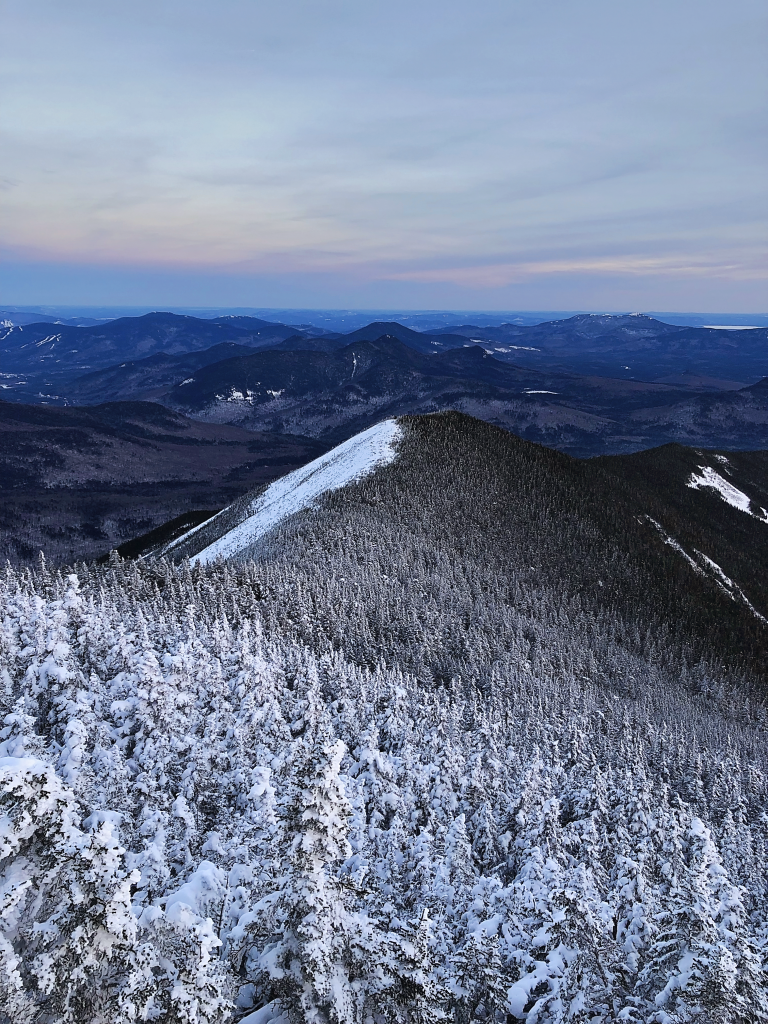
Signal Ridge and Mount Carrigain provide spectacular views of the White Mountains without the crowds. Mount Carrigain, at 4,700 feet, is the state’s 13th-highest 4,000-footer, so trust me: these views are incredible!

The trailhead is across a seasonal dirt road from a vast parking lot. While it meanders along and over Carrigain Brook, the Signal Ridge Trail is relatively simple.

Bear left at the trail intersection with the Carrigain Notch Trail to avoid beavers and moose in the flat, swampy stretch soon after the crossing. After this intersection, the climb gradually gains most of the height.

The view from the crest of Mount Lowell, Mount Washington, and other White Mountain summits is worth the effort. The observation tower atop Mount Carrigain offers a 360-degree panorama of the Presidential Range, the Franconia Ridge, Mount Chocorua, and more.

The ancient fire warden’s cottage is gone, but an old well is visible as you rise. A road ascended to the top of the cabin and observation tower and many of the paths in the region are former logging roads.

You definitely want to plan your New Hampshire hiking itinerary before you set off. Many state parks provide online parking reservations, otherwise, you’ll need to figure out where to park. Some parks do not accept dogs while others don’t, so plan accordingly.

This list of New Hampshire’s top hikes can help you plan your journey. With almost enough trails to fill a whole year, these are just some of our favorite ones to get you started.

Bring your camera, dress for the weather, and enjoy Mother Nature at her best!